Category: novels

  • 10 Things you should know when you first write a book

    When I started working on my first book, I had the following plan:

    • I would finish the draft in four of five months at most
    • I would make a thorough review of the first manuscript and in one single edition round I would correct everything that is wrong.
    • My beta readers will read it in a couple of weeks and I would rejoice in his/her wonderful comments
    • I would find a great Literary agent in a blink of an eye
    • I would have the book published in that same year
    • I would live from my writing and would travel the world.

    I was naïve. REALLY naive.
     

    download
    Enter a caption


    This is the second year I’m investing in my first book. I’m still editing it. So far I’ve come to understand the following:

    1. Doing the first draft is by far the easiest and quickest part of the process

    When I finished the first draft, I was so thrilled. I felt I have conquered the world and I could be called a writer. I was so proud of myself. I thought that finally I was making something good with my life, that I was looking towards the future, towards my goals, you get the point…The truth is that writing the first draft is the easiest part. You can even achieve it in one month (If you want to test the efficiency of NaNoWriMo). But rest assured the first draft will not be readable yet. Chances are it will still have lots of plot holes and huge amounts of rewrite to be done.

    images (1)

    2. Planning one round of revision is not realistic at all

    There will be many rounds of revision. It’s hard to rewrite scenes, plot holes, and work on character development while editing your grammar and punctuation at the same time. You’ll probably need another round, and perhaps a third one, etc. Additionally, after your beta readers come to you with feedback, chances are you’ll probably need to change and rewrite many sections of your book which will lead you to another round of sentence structure/grammar review, etc., again.
    images (2)

    3. Leaving your first manuscript to rest for a couple of weeks and even a month is not a bad idea

    I knew about this tip way before I finished my first manuscript. Nonetheless, I was in such a hurry of having everything done that as soon as I finished my first manuscript, I started to edit it on the very next day. I didn’t leave it to rest and breath. My head didn’t have time to clear enough to target my manuscript with a fresh point of view. The result was several pointless rounds of revision until I decided to finally give myself a break and leave the manuscript for a month. During this time, I wrote other short stories, I read more, etc. When I finally returned to my old good manuscript, my mind was fresh and I could detect more issues than in all those previous three rounds. I identified huge gaps where I could improve. If only I’ve done that before my first round of revision… I would’ve probably faced my manuscript with much better criteria from the first edition round.

    download

    4.  Your beta readers won’t give you feedback in a couple of weeks

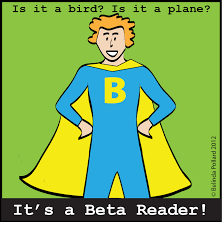
    I had three good beta readers, but it took time to receive their feedback. You have to take into account that not all of them are available to read your manuscript as soon as you deliver it. Unless you’re paying for a beta reading service, most of these people will be doing you a favor. You’ll probably need to wait until they have time. Not all of them can read books in a couple of days; they might need more time. Not all of them have only your book to read; they might need to put it in their queue of “still to read books”.
    images (1)

    5. Good Beta Readers will say the truth and cause many changes in your book

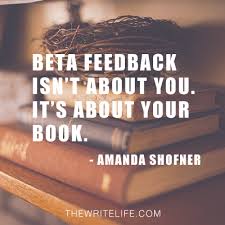
    Let’s face it. This is your first book ever. You can’t expect to nail a best seller that soon. You’ll need a lot of time,experience, and good listening skills. You need to pay attention to your beta reader’s feedback. And I’m talking about good beta readers, not your mom, your husband, etc., but people who will be able to judge the manuscript and say what is in their minds without any fear of hurting your feelings. You have to acknowledge that as the author of your book, you know how the plot works, you know how characters look in your mind, but sometimes you fail to translate this knowledge into the written world. Chances are you’ll still need to change and rewrite after your beta reader’s feedback.
    download (6)

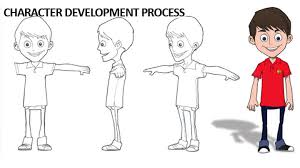
    6. Character development is not achieved at once

    If this is your first book, then you’ll probably struggle with nailing “character development”. Even if you outline characters before you start the book, they’ll probably develop and change as your plot changes. Their behaviors will change depending on how the direction of your books goes or how scenes are improved. Providing a three-dimensional character is harder than you think. It wasn’t until many revisions and feedback that I had enough tools to develop my characters as they should.
    images (3)

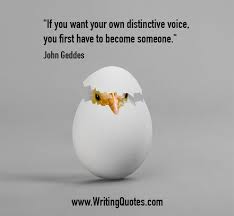
    7. Developing your voice doesn’t come so fast

    It doesn’t matter how many books about writing you read and how many writing courses you attend. Developing your voice only comes with practice. Sometimes, you want to obey all writing rules and make your sentences’ structure perfect, but then you find yourself with a boring flat manuscript. This doesn’t mean you don’t need to know the rules. To break the rules, you need to know them first. But you can’t expect to find your writing voice in the first round of writing. Perhaps you won’t even find it in your first book.
    images (4)

    8. Don’t hire any editing service until you’ve received plenty feedback

    I made the mistake of hiring an editing service (which was very good) before I got all the feedback. My third beta reader was able to send me his feedback after my manuscript was already edited by a professional editor. This feedback was very helpful and had lots of good advice plot-wise, which meant I had to do significant changes and rewrite many scenes and even chapters. The result, the professionally edited text was gone. It would’ve been certainly helpful to hire this service after all revisions and feedback.
    download (3)

    9. Consider your first book may not be publishable

    In my plans above, I clearly talk about getting a literary agent, publishing it, and having enough earnings to live from my writing. The reality is different. And the truth is your first book could not be published yet or could not be published at all. You need to accept this fact from the beginning. It’s a learning curve. My mind already has tons of topics to write other books; they even sound more interesting than the manuscript I’m working with right now. Perhaps book two or three will be published. Perhaps my first book will be revisited in a couple of years and later published. At this point, I only care about improving my writing.
    download (4)

    10. This is only your first experience

    Writing a first book is about gaining experience. It doesn’t matter how perfect your book idea is, how charming your characters are, or how beautifully you construct prose, the process is still tricky with the first book. You still need to learn how to handle feedback, how to detect plot holes, how to find your voice, how to make useful rounds of edition, etc. If you take this point of view, I guarantee you’ll find the experience more rewarding than the publishing result. You’ll be more excited about your next projects and you won’t suffer so much if the path of delivering your first book looks too hard. Best of all, you’ll encounter the true meaning of being a writer.
    images (5)

    Cheers!


  • Can you write comedy?

    The best moments when I read a book is when I find myself laughing due to the author’s wit and good sense of humor. As I hear my laugh echoing through the room where I read, without any apparent reason, I feel lucky to be enjoying something “secret” or “hidden” that people around me in public spaces won’t probably never get to know. I get to enjoy characters only to myself which (in a selfish manner) I don’t get to share with those around me. Those are the times when I mostly appreciate good humour in Literature, either intended or not.

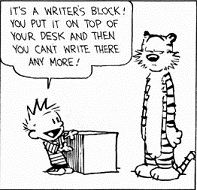
    how-to-become-a-comedian-writers-block

    After enjoying these moments, I find myself wanting to write as these authors. I want people to enjoy my stories as I do when I read others. But then I ask myself, could I ever write a comedy? It’s hard enough to come up with one witty remark, never mind the entire length of a comedy-based novel. I’m pretty sure those who achieve writing in the “comedy” genre can be named genius. Maybe some writers are born to write in this genre. Maybe only people like comedians are the ones who should answer this call.

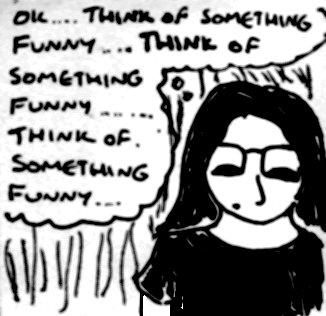
    2013-artwork-comedy-writing-sketch1

    No more than a week ago, I started my first “comedy genre” book. For those curious about the title, I’m reading Timur Vermes “Look who’s back” which had a book cover that promised to deliver “a comedy of all sorts”,”clever, funny,” book and so on. Please, don’t go into questioning my book selection. I know the book has become controversial, so I won’t go into discussing why I’m reading this book. Just let me tell you, that I’m reading it with an open mind and in the effort to understand more about this literature genre . But as far as I gotten into the book (one-third of its lenght ), I haven’t laughed much. Is it because I don’t understand the book’s sense of humour? Maybe the fun style has been lost in translation (the book has been translated from German) But if this is not the case, and if different people react different to diverse styles of comedy, then how can you write a fun, clever book that appeals to a vast majority? Is there a secret, hidden recipe somewhere to tackle all funny bones in the whole population?

    images

    If it weren’t possible , the comedy genre wouldn’t prevail. I don’t believe there’s a successful formula. But I might have detected one possible self-barrier. Whenever I come up with a funny remark while writing, I usually erase it almost immediately, afraid it will sound stupid or even insulting to some people. Without noticing, an internal judging voice makes me consider any funny statement. And I bet most writers face this challenge. Writing comedy is for the brave, for the ones that laugh at life, at oneself, and don’t care much about criticism . They don’t care if people don’t laugh; they are aware not all of them will do. But they still go out there.
    By not laughing at Vermes’ book, does it make me a different person to please? Does that make me a writer with more difficulties to write comedy?

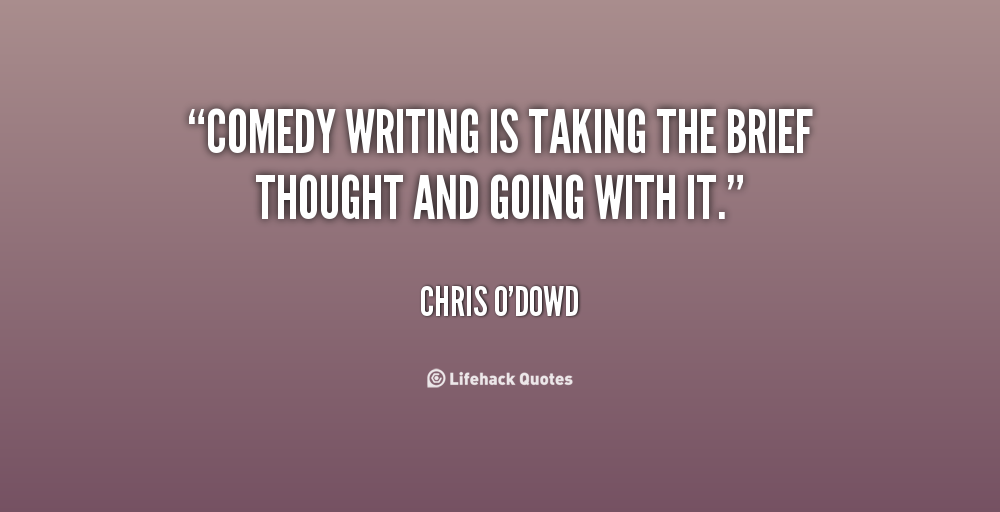
    Lastly, I would like to leave you with Chris O’Dowd’s quote:

    quote-Chris-ODowd-comedy-writing-is-taking-the-brief-thought-135708_2

    And you, how do you go about writing funny remarks or comedy?

  • Being good at metaphors

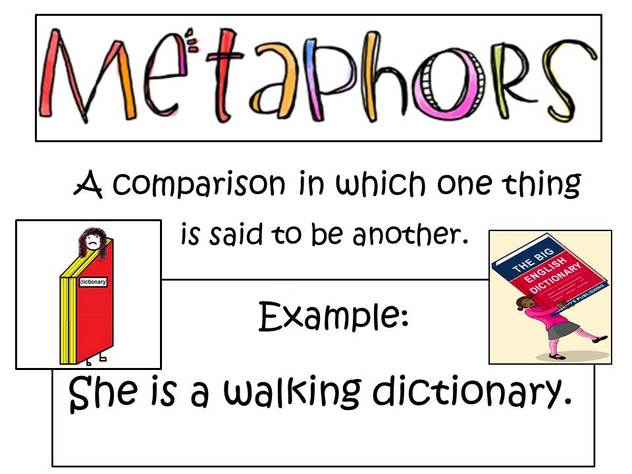
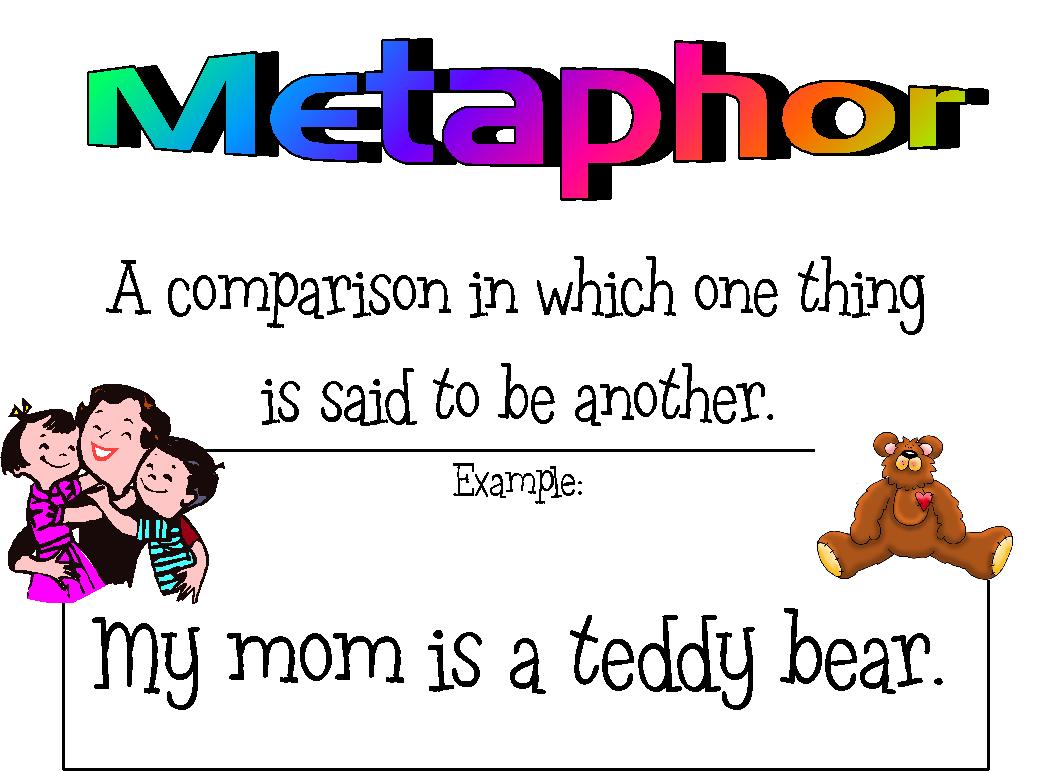
    According to Wikipedia, this is the definition of a metaphor:

    A metaphor is a figure of speech that identifies something as being the same as some unrelated thing for rhetorical effect, thus highlighting the similarities between the two. 

    There’s nothing more beautiful than reading good literature and finding genius metaphors and similes.  As a writer, I find myself wanting to produce my own ones. But reality hits and I realize I’m not good at them. I suck at them.

    met1

    Good metaphors are for the mind of extremely creative people. Imagination prevails in this realm.  And writers have no other choice than to develop this skill. Would that mean I’m not creative enough? or that I don’t have enough experience as a reader and writer to produce clever metaphors? Maybe, It all comes to how I interpret the world. I don’t tend to compare or establish similarities between situations. Would this mean that I’m not programmed to create metaphors? Regarding of the answer, skills can be improved. It’s all about a practice, experience, and finding your creative side. Writers are supposed to navigate towards those waters anyway, aren’t we?

    So what have I done to improve my chance of coming up with clever metaphors? Whenever I’m writing and I find myself describing situations or settings, I pause, close my eyes and try to imagine the situation in my head. What does it look like? Does the person or objects remind me of something? Is there another way to describe it in a more interesting way? Sometimes it works, sometimes it doesn’t. Sometimes I see the situation or setting for what it is and fail to produce a similarity that enables the figure of speech. But practice makes the master. I must persist.

    met2

    Interestingly enough, I found that our creative side comes easier whenever we find our writing voices. That is when we allow ourselves to show our feelings and inner paradigms through our characters. That’s when one gets to be more creative and hence more prone to bringing good metaphors. But our unique writing voice improves with time, practice, and nothing else. When I review my first drafts, I find almost no existing metaphors. In those first pages, my writing is not funny, is not filled with surprises, is not page turning, it is boring. But when I review the latter drafts, I tend to smile to myself more. Not because I’m nailing every sentence, paragraph, and chapter, but because I seem to like my writing each time better. I seem to enjoy my story even more. Metaphors and similes start to appear.

    I might not be “natural” at metaphors. But I got the tools to improve it. I only need practice and persistence. After all, everything in our lives is about endurance, isn’t it?

    And if you’re striving on  understanding metaphors, then you can check out this complete guide with very helpful examples from Grammarly.

    And you, do you have any good tips or methodologies for writing good metaphors?

    met3

  • When old habits are hard to abandon… I’m looking at you Procrastination!

    Procrastination has been affecting my life since I can remember. Fortunately, these last couple of years, I’ve been suffering less of it or else I would’ve never achieved a novel’s first draft (it should be treated as an illness!). But I haven’t gone over it yet. I might now put a daily effort on my writer goals, but it’s not enough yet.

    The one to blame, the Internet.

    I could use the computer and disconnect, but I depend heavily on thesaurus.com I could get a physical copy, but certainly working with the website allows me to easily navigate from word to word’s synonyms and definitions in a matter of seconds, without losing the inspiration or the sentence idea that troubles my mind at that point. I’ve tried using printed copies of dictionaries and thesaurus, but they’re not meant to be used on every single minute. And yes, I still use it a lot. Especially, since English is not my first language, many times I just want to make sure I got the correct definition and that the synonym I’m choosing to use is accurate.

    So if thesaurus.com wasn’t such a good tool and as dependent on internet connectivity as it is, I would probably disconnect from Wi-Fi. But if this website helps my writing, what is the real problem?

    My mind is used to multi-tasking. As a result, thoughts, ideas, and hyperactivity flood my brain almost 24/7 (If mental hyperactivity could be translated into physical hyperactivity… I would be the best athlete in the world… but that’s another topic). My mind doesn’t really switch off until I go to bed. And sometimes, I find trouble sleeping trying to unplug my mind from its endless ideas, worries, etc. So while writing, it’s normal for me to get distracted by other websites; afraid (maybe an excuse word) that I will forget later what I wanted to buy in Ebay, that I will miss what’s going on Facebook, and that there are still tips, blogs, and websites I should be looking at for my next trip (in 2 weeks – Tripadvisor, I’m looking at you!),  I open the browser and proceed to search, look, and verify other issues while in the middle of writing.

    The result: guilt invading me at around 10:00 pm when my eyes are starting to feel the burden of the day and I have to choose between:

    • Giving up and going to bed
    • Continue the writing until almost midnight or until my eyes are hyper red. The direct consequence: I cannot invest any more reading time in bed if I want to give my eyes a proper resting (after all, I spend the whole day in front of the computer)

    Maybe I’m too anxious for vacations these days, and I cannot move forward without taking out of my mind all the issues that should be arranged or known before traveling. Maybe after my holidays, my mind will be clear enough to continue working. But who am I kidding? There will always be a next trip, a next activity, or a next excuse. If I’m going to take the writing career for good, then I’d better eliminate the word Procrastination from my vocabulary. Any advice?


  • Writers do bend the rules!

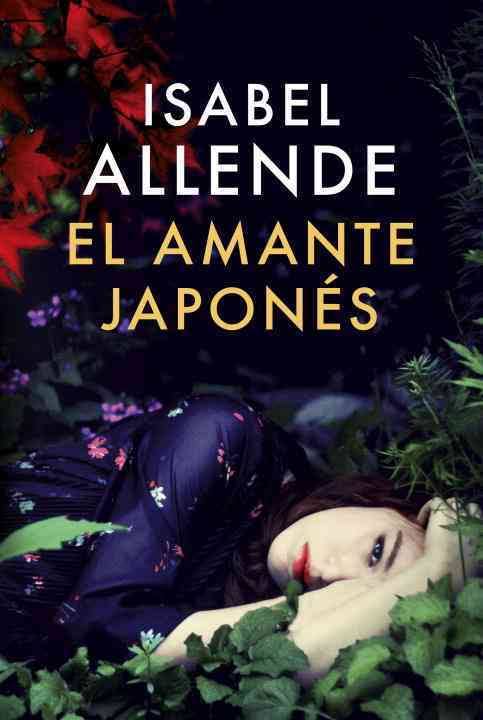
    I haven’t read Isabel Allende in a while. It’s my favorite Spanish speaking author. I remembered how I used to devour her books when I was a teenager. Her stories were so profound, her characters so alive. I haven’t read all of her books, and this reminds I might not be a proper author fan/follower. But I’ve always been into exploring new authors.

    download (6)

    Since she’s a Spanish speaking author, I read her books in their original language: Spanish. No translations. However, in my effort to improve my writing in English, I haven’t read books in Spanish for a while, probably for the last three years. It’s been hard to remain truthful to this objective. I could easily get Spanish translations from John Grisham, Stephen King, and other famous ones in the bookstores of my city, but my encounters with horrible translations have pushed me to insist in improving my English when possible. Now, I usually shop for books online or buy them whenever I travel. The effort has paid off. I used to read books in English with dictionaries searches every two minutes. Now, I don’t need need them anymore.

    download (7)

    Anyway, I was excited to read Allende again. The book I picked up was one of her latest ones: “El Amante Japonés” or “The Japanese Lover.”  I really enjoyed the book but it was a writing/learning experience more than anything. Unfortunately, I no longer remember enough to testify for other Allende’s books. But in this book, I found a couple of  writing style observations along the way that made me question the writing rules I’ve been learning lately. My reading perspective has changed significantly over these two years of reading books about writing, listening to webinars about writing, attending to writing online courses and even going to a writing conference in English. I would have never imagined these writing rules I’ve been following at heart could be non-existent in the authors I loved the most. It was an utter surprise.

    images

    But what exactly were these rules I found non existent in “The Japanese Lover”? In fiction, I’ve been taught to write scenes from a single point of view. If you want to use other character’s points of view, then it’s better to do it in another scene or even in another chapter. In “The Japanese Lover”, Isabel Allende mixes multiple points of view from one paragraph to the other. One paragraph you are inside one of the main character’s head and the next one you are in another, in a blink of an eye. At the beginning, I found this quite off-putting. I was mad that one of my favorite authors was writing like that. I began to question, Was it always like that in her previous books? (I still need to check this out of curiosity) Was this something it didn’t bother to me before? Was it because I didn’t know of these rules many years ago? But I learned a lesson quick. The rule about not mixing points of view exists because we don’t want to confuse readers. But we must never misjudge readers’ reading capabilities. After a couple of lines, it was easy to realize which character were being described. And after the first chapters I didn’t find this annoying anymore. Sometimes as writers, we struggle too much in trying to ensure our readers won’t get confused. We write with such detail (succumbing to exaggerated description and slow flow) to ensure readers follow the plot line easily that we sometimes forget our readers are perfectly able to grab implicit details without the need of us describing them word by word.

    download (8)

    After overcoming my own self blocking rule in the fist chapters of “The Japanese lover” and forgetting about any other writing rules, I began to submerge into the story. I found out that Isable Allende is still one of my favorite authors. It didn’t matter she changed POVs every second; I read her book hugely entertained and finished it in a couple of days. Of course, the book is not perfect, there are other issues that bothered me at some level, such as the excess of themes in one single book and the highly dramatic backgrounds in each character – too much to be believable at some point. But the book had alive characters. That is something you cannot always achieve by following the rules.

    As a result and as part of my writing improvement process. I’ve learned that bending the rules is not always bad. I still prefer to keep one POV for each scene, but now I feel myself free to break some rules and allow my writing to become alive.


  • Knowing how NOT to write doesn’t mean knowing how to do it

    Although, I know a lot of what not to do when writing fiction, it doesn’t necessarily mean I know how to do it. As odd as it sounds, it happens.

    Realization came on me these days. I don’t know if this is a normal stage writers arrive to as they spend more time writing, but it’s a hard to accept that the path may be longer that expected. It falls in the area of “the more you know the less you understand…” But how can this be possible? Let me explain it with examples and detail:

    So far, I’ve learned these rules for good fiction writing: (mostly grammar and style rules)

    • Avoid using the “be” verb, try using stronger verbs.
    • Avoid using adverbs or at least decrease their usage as much as possible.
    • Avoid using redundant expressions: “the fact that”, “he is a person who”, etc.
    • Show don’t tell. A hard one to understand but finally sinking into my neurons.
    • Preferred using the simple tag “said” rather than “opined, implored, wailed, etc”. There are times when you don’t even need the tag, you could just use the action performed by the character.
    • Avoid when possible using passive voice, give more strength by using active voice.
    • Vary the length of sentences in a paragraph. Combine short ones with long ones.
    • Vary the type of sentences in a paragraph. Use variety and mix different forms of sentences.
    • Don’t mix POVs in a single scene. It’s confusing.
    • Find the voice of each character. Characters should be sound different from the other. They should be dimensional, not flat.
    • And so many others rules to follow…

    Keep Calm and Follow the rules

    I’ve been reading many books on how to write, how to improve writing, how to create compelled characters, good plots, how to nail punctuation, etc. And in spite of this information, I find my writing is not yet where I would like it to be. My paragraphs don’t read as beautifully as Harper Lee’s or Alice Munro’s. They’re structured well, but I still find them simple, and far from being mesmerizing. I realize this is perhaps due to my scarce experience or the fact that I still need to improve my vocabulary. I realize the above rules are not enough to know how to write.

    I understand these are the natural consequences of trying to find your own voice and that the only solution rests in getting more experience, reading more, and writing more. It gets harder, but that is the point in life, isn’t it? It would be boring if everything would be easy as pie.

    easy as pie

    And you, have you ever reached this realization?


  • It’s as simple as that: good writing matters a big deal

    It’s as simple as that: good writing matters a big deal. As I dig more into this writing career, I realize how much I still need to learn.

    I’ve always been for thrillers and mysteries. I’ve always loved fast-paced books with lots of action: books that I could see in my mind as the next big Hollywood blockbusters. But lately, I’ve realized that there’s also another side of reading. A reading where words enchant you and make you want more of this world of beautifully written words. Now, I believe that good storytelling doesn’t exist without good writing.

    download (3)

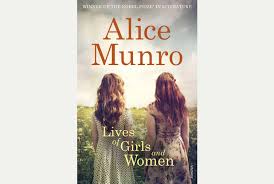
    I must confess I haven’t read much of Literature Nobel prize winners before. Except from “One Hundred years of Solitude” from Gabriel Garcia Marquez (which I didn’t like), I wasn’t drawn into these awarded authors. It was like Oscar movies: not all Oscar movies winners are good. In fact, some Oscar winners are actually weird and not in my taste of “awesome films.” But this time I bought Alice Munro’s: “Lives of girls and women”, a Nobel prize winner, and I can’t believe I did it by mistake.

    download

    The purchase was done when I was coming back from NY’s Writer’s Digest conference. I’ve written down all those titles that during the conference attendees were advised to read. One of the panelists highly recommended to read Alice Hoffman. In the airport, when I came across Alice Munro and read the label “Nobel Prize winner,” I really thought I got the right “Alice.”

    I realized of my mistake when I came home. But as a bookworm, I’m never sad for having a new book to read. So I give it a go to this book. And I loved it. Munro’s writing is completely beautiful. The way she starts describing everything and how characters develop in this beautiful written prose was such a relief and rest from the fast paced books I’d been reading before. It made me love writing and reading even more. It made me realize how much, still, I have to learn from writing in English.

    download (2)

    This blog post was meant to be a review of Alice Munro’s “Lives of girls and women” but as I came across the blog, I realized I mostly wanted to express the lesson learned while reading this book, and how it has influenced my writing learning process. I’ve also realized how important is for writers to read out of their genre, how it makes you grow professionally. There’s still a wonderful world of written words out there.

    And you, have you come across with these beautifully unexpected books that made you want to grow even more as writers?

    download (5)

  • The new writing perspective

    It’s been almost two months since I didn’t work on my thriller novel. Some fellow blog readers may know that I’ve been working on it quite a while, since last year most specifically. After I finished it, I gave it to a couple of beta readers, and then passed it to my editor. I got the book ready. I pitched it at Writer’s Digest conference in New York and I got the attention of seven literary agents. I sent the requested material to them and got four rejection replies already. The three remaining never replied. But the harsh truth is the book wasn’t ready. It wasn’t yet.

    This is my first book, my first attempt, and you can tell I’ve been impulsive with it. I’ve fallen into the most frequent mistake most amateur writers do. I knew how important it was to make sure the manuscript was ready before pitching it. And here I was making the same mistake, trying to do it as fast as possible, not letting the book rest for a while before doing the last rounds of edition. Hurrying up too much.

    download

    When I pitched it, the book was quite acceptable from the writing point of view. I made sure the words were accurate, I tried not to tell but show, I triple-verified all grammar rules, and I hired an external editor. I also made sure the plot moved fast, had twists everywhere, and that the “theme” was cohesive and there were no plot holes. What went wrong?

    download (6)

    In October, I managed to contact a very good beta reader on Goodreads. He gave me great feedback from the technical point of view (the book is about hackers) but also gave me great advice from the literary point of view. My weakest point was clear as water: Character development. They felt flat. The main characters were completely unidimensional. And I started seeing the flaws I haven’t seen before. I realized the book was not ready. I wasn’t satisfied with it, I knew I could do it a million times better. I had pitched too soon. (And I’m still crossing my fingers that the reason the three literary agents never replied was because my manuscript got lost in their email folders. This way, I can still have them in my pitching list for when the book is finally ready.)

    download (5)

    I started to review my manuscript yesterday, from scratch, rewriting practically everything. As I did It, I understood also what was missing in my writing. My voice. Although, the story is action packed, it’s actually dull. There’s no magic in the words. There’s no humour, no irony. It’s not witty. I can do this better. I can make more complex characters, ones that make people surprise, gasp, hate, love, laugh. The book was never ready.

    November was a month of no writing. Since most of us writers have a full time job to maintain, I was involved in a work project that left me zero time to write. I’d never believed this time away from writing was actually what I needed, that No writing for some time would be more productive than a full month of continuous writing. I see the point now. Let the book rest.

    images (16)

    So I’m re writing the whole manuscript. But this time the story will come alive like a true story should do.

    I’m thankful I realized this before precipitating myself into insisting with more agents, or even considering self-publishing. Now I know the true. The book will be ready when it’s ready.

    Did you have any similar experiences? If you’re a writer how much can you relate to this? Any advice you would like to give me?


  • Reading with writer’s eyes…

    Being a writer is not easy at all, being a reader who writes neither it is. Reading and Writing are my biggest passions. But as I try to merge them into one world, I realize the challenge increases.

    In order to write, you have to read. This is the most common advice you’ll receive from writers, books and courses about writing. And there is no bigger truth. Once you decide that writing is you want to do for the rest of your life, reading will come attached as a twin sister. I don’t believe in writers who don’t read. I just can’t. It won’t matter how many a good ideas you have, if you don’t know how the world of books work, and the only way to know is by getting up close to what’s out there.

    But one must read all types of books out there:

    Reading classics – They are classics for many reasons, but one of the main reasons is that they usually show great command of the language. They display high-quality narrative that has been awarded and well appraised by so many. What works in these books? What made them classics? You need to find out by for yourself.

    images (1)

    Reading Best Sellers – And it includes the highly criticized dystopian YA. But why are they so popular? Why are their writers the ones that can actually make a living of this? I usually hear many people chastising these books. Finding them with “my favorite books” tag in intellectual circles of writers would be almost impossible …. But guess what? They do sell! They have “the formula.” And yes, writing-wise they may not be the best example, but they can certainly grab readers.

    Now, you may say: “Well, it depends on the reader.” And usually not all teenagers are the most loyal parameter of quality reading, but they are a wide popular profitable target market. Despite these books might be cheesy and corny, we realize many adults do also enjoy them. The key, I believe, is to find a balance between what is good writing and what sells. Let’s face it, we all know that deep in our hearts, we would really love to make money of our writing. So reading this literature we must (my Yoda dysfunctional personality)

    www goodsheperd notts sch uk

    Reading all genres – I’ve heard tons of advice saying that you must read in your genre. True! But it doesn’t end there. I’ve learned to read in all sorts of genres. And I believe that it’s not fair to say you aren’t used to an X genre because you don’t read in it. All genres are writing; all of them teach us something. Romance teaches us how to create romantic tension between characters. Thrillers teach us how to insert adventure and movement in your plot. Mysteries teach us how to grab readers until the end of the book. Sci-fi teaches us through setting description how to create fantasy worlds. Memoirs teach us how not to lose the essence and spirit of your book… and so on…. All these elements usually coexist in a book.

    People read not only because the plot was so exciting that they couldn’t let the book go, but also because they cared about the protagonists; they found allies or inspiration in them. I’ve read a couple of action-packed thrillers that got me bored easily. I reached a point where I was just so bored about the extensive description of a fight scene; a slow motion punch described in pages. It reminded me of those movies where half of the movie is shootings and guns and no interesting plot. It also happens with books.

    roadtobabylon com

    If you’re like me, with preference for Thrillers for example, then you have at least to care about one of your characters. We want to know that the CIA spy of a book has a family with a sick child, that if he doesn’t do the job, his son will die. We want that CIA spy that when he’s about to die, we will keep reading and pray that he doesn’t. If he’s just a random handsome spy with great muscles, involved in a cat and mouse chase during the plot, it gets boring…Thriller writers need to read romance and memoirs too!

    As a writer, I try to read with a different eye. I try to see all elements in a book, how dialogue flows, how settings and actions are described, how writers show and don’t tell. I assess why the plot gets exciting, how chapters end, and what makes me go to the next chapter. I evaluate those setting descriptions that are just too long for me to care. I write down when I find words and expressions that work so well that I could use them in a further work (one of the advantages of kindle reading, that you can highlight words without actually damaging a book.)

    read44

    This is a new way of reading, different from what I was used to, but satisfying nonetheless. It’s not only about finding refuge in a book while resting on a reading corner, but also investing time in my long-time dreamed goals.

    If you’re a writer, do you find yourself with this different perspective of reading?

  • How being a non-native English speaker can actually help me when writing in English…

    As you may have noticed (Although, I hope it wasn’t that obvious) English is not my native language. I learned it at a Language institute in my home country. Then, I had the opportunity to make post-graduate studies in the UK. But although I lived in Glasgow, Scotland for one year, I didn’t have enough time to master the language, especially considering the Scottish accent. And no, I don’t speak English with a Scottish accent; even imitating it can be hard enough 🙂 .

    Luckily, I have the opportunity to practice the language every single day. My job is in English, and I’ve gotten used to it as my research, reading, and writing tool. But when I first started writing fiction in English, I thought it was only one of my crazy, impulsive episodes. I gave it a trial, just to see how it went, and I was surprised to find that I felt comfortable enough to start this blog in English. I believe that some of this comfort came from the fact that I read more books in English than in Spanish – my native language. Without noticing it, my list of favorite authors had been filled by English speaking authors.

    www cprw com

    So when I realized that writing fiction in English was not impossible, I knew that if I wanted to pull this off well, I had to work very hard on it. I had to be sure that not only what I wrote was correctly from the grammar point of view, but also that I didn’t sound like a five year-old. Deep work on building a better vocabulary began. And books about style, writing, grammar and others started to flood my bookshelves and e-reader. But believe it or not, I found I had the following advantages for being a non-native English speaker:

    • I’m not familiar with jargon and idioms (they don’t teach you that when you learn a language.) As a result, I don’t misuse or rely on them when writing in a formal approach.
    • The way I learned English is by hard grammar (the methodology they used at the language institute). Therefore, I haven’t picked up the wrong way from my upbringing, daily life, family, friends, etc.
    • Since my native language is Spanish, I find myself surprised by the many similar words between both languages, allowing me to have an extra set of vocabulary from words that have a Latin origin. The following list shows what I mean. The words on the right are very common for me since they’re widely used in Spanish. This doesn’t mean that when writing in English I use the ones on the right more, but I didn’t have to make an extra effort in order to learn them.
    Commonly used word My little help as Spanish speaker
    Increase Augment
    Strengthen Invigorate
    Refresh Rejuvenate
    Hoard Agglomerate
    Verify Corroborate
    Check up Scrutinize
    Hang onto Adhere
    Spill over, flood, swamp Inundate
    Run through, exhaust Dissipate
    Shorten Condense
    Temper Alleviate
    Stir up Infuriate
    Make up for Rectify
    Whip up Instigate
    Prompt Stimulate

    This is just a random list; there are many other words out there that could be added.

    So for anybody who’s learning the language and struggling tons with it, try to see the good side 😉 Nothing is impossible, it’s just a matter of perspective, how you face and tackle things.

    And you, do you think learning a language from scratch could have advantages over its native speakers?