Tag: beliefs

  • The TED talk all women should see

    I try to start my workday with a TED talk. I wish I could say I do this daily, but sometimes I can’t. I usually do it when my work energy level is low or when I feel I need motivation to go with the work routine. Today I came across with “Why do ambitious women have flat heads?” by Dame Stephanie Shirley.  The title was enough to call my attention since sometimes when the talk’s title is too predictable, I might just pass it. But this one wasn’t and I’m glad I clicked it.

    Dame Stephanie Shirley had it rough. She was one of the Jewish kids saved by being sent to families in northern England during the Second World War . She grew up in an era where women’s only objective was to get married and have kids. There were scarce work opportunities for them. I work in the software industry. Women in the 60’s didn’t just pursuit that area at all. But one woman did it. And this terrific woman showed nothing is impossible. Yes, there was a programming market in that era, believe it or not. If you want to know exactly how it worked, then you have to check the video.

    Stephanie Shirley went through all the fights my generation didn’t have too. My generation won’t suffer that gender discrimination again. We have it easy. And what are we doing with our lives? We don’t aim high enough. We don’t dream big enough. We don’t do the fights for the next generations.

    I invite you to watch the following TED talk (only 13 minutes of your time but worth your life change).

    [ted id=2223]
  • When old habits are hard to abandon… I’m looking at you Procrastination!

    Procrastination has been affecting my life since I can remember. Fortunately, these last couple of years, I’ve been suffering less of it or else I would’ve never achieved a novel’s first draft (it should be treated as an illness!). But I haven’t gone over it yet. I might now put a daily effort on my writer goals, but it’s not enough yet.

    The one to blame, the Internet.

    I could use the computer and disconnect, but I depend heavily on thesaurus.com I could get a physical copy, but certainly working with the website allows me to easily navigate from word to word’s synonyms and definitions in a matter of seconds, without losing the inspiration or the sentence idea that troubles my mind at that point. I’ve tried using printed copies of dictionaries and thesaurus, but they’re not meant to be used on every single minute. And yes, I still use it a lot. Especially, since English is not my first language, many times I just want to make sure I got the correct definition and that the synonym I’m choosing to use is accurate.

    So if thesaurus.com wasn’t such a good tool and as dependent on internet connectivity as it is, I would probably disconnect from Wi-Fi. But if this website helps my writing, what is the real problem?

    My mind is used to multi-tasking. As a result, thoughts, ideas, and hyperactivity flood my brain almost 24/7 (If mental hyperactivity could be translated into physical hyperactivity… I would be the best athlete in the world… but that’s another topic). My mind doesn’t really switch off until I go to bed. And sometimes, I find trouble sleeping trying to unplug my mind from its endless ideas, worries, etc. So while writing, it’s normal for me to get distracted by other websites; afraid (maybe an excuse word) that I will forget later what I wanted to buy in Ebay, that I will miss what’s going on Facebook, and that there are still tips, blogs, and websites I should be looking at for my next trip (in 2 weeks – Tripadvisor, I’m looking at you!),  I open the browser and proceed to search, look, and verify other issues while in the middle of writing.

    The result: guilt invading me at around 10:00 pm when my eyes are starting to feel the burden of the day and I have to choose between:

    • Giving up and going to bed
    • Continue the writing until almost midnight or until my eyes are hyper red. The direct consequence: I cannot invest any more reading time in bed if I want to give my eyes a proper resting (after all, I spend the whole day in front of the computer)

    Maybe I’m too anxious for vacations these days, and I cannot move forward without taking out of my mind all the issues that should be arranged or known before traveling. Maybe after my holidays, my mind will be clear enough to continue working. But who am I kidding? There will always be a next trip, a next activity, or a next excuse. If I’m going to take the writing career for good, then I’d better eliminate the word Procrastination from my vocabulary. Any advice?


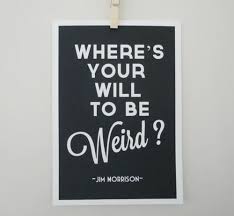
  • Weirdness: Embracing it…

    I always describe myself as “weird”. People around me hear “bicho raro” an expression in Spanish that would mean something like “weird bug.” Some friends are fast to point out that I’m not weird but “unique”. I appreciate their good intetions, but I actually don’t feel bad about being weird. I love being weird. I embrace my weirdness.

    So what do I mean by being weird? I thought it would be to check up the exact definition of the word:

    http://dictionary.reference.com/browse/weird  says: involving or suggesting the supernatural; unearthly or uncanny. fantastic; bizarre.

    http://www.thefreedictionary.com/weird says: Strikingly odd or unusual, especially in an unsettling way; strange. Suggestive of the supernatural.

    But I like the definition of the Merriam-Webster: http://www.merriam-webster.com/dictionary/weird  :

    1. of, relating to, or caused by witchcraft or the supernatural :  magical

    2. 2:  of strange or extraordinary character:  odd, fantastic

    And I’m almost sure the latter is the best reputable source as well.

    When reading the first two definitions, one would see why people react to the word “weird” as a bad adjective. This word for them describes something  not very nice – an “unsettling” word. The expression “weirdo” is a commonly expression used to tag people in a despicable way. However, I insist on relying on the Merriam-Webster definition: “supernatural, extraordinary, fantastic, unusual… etc.” In this interpretation, I love the word; it describes how my usual perspective towards life is.

    I always like to believe I don’t fit social standards as normally other people do. I love going against the trends and against the expected behaviors. Even the way I dress, reflects in some way, who  I am as a person. And if people expect you to celebrate a holiday, I do exactly the opposite. But for me this weirdness is not about being stubborn or trying to make a point, it’s only about behaving according to my feelings and without regard to social expectations. For me being weird is nice. It’s about expressing myself in the most extraordinary fashion, living my life defying any social foolish conceptions. It would be nice for a change people wouldn’t chastise or try to fix weird people.

    images (2)


  • Writers do bend the rules!

    I haven’t read Isabel Allende in a while. It’s my favorite Spanish speaking author. I remembered how I used to devour her books when I was a teenager. Her stories were so profound, her characters so alive. I haven’t read all of her books, and this reminds I might not be a proper author fan/follower. But I’ve always been into exploring new authors.

    download (6)

    Since she’s a Spanish speaking author, I read her books in their original language: Spanish. No translations. However, in my effort to improve my writing in English, I haven’t read books in Spanish for a while, probably for the last three years. It’s been hard to remain truthful to this objective. I could easily get Spanish translations from John Grisham, Stephen King, and other famous ones in the bookstores of my city, but my encounters with horrible translations have pushed me to insist in improving my English when possible. Now, I usually shop for books online or buy them whenever I travel. The effort has paid off. I used to read books in English with dictionaries searches every two minutes. Now, I don’t need need them anymore.

    download (7)

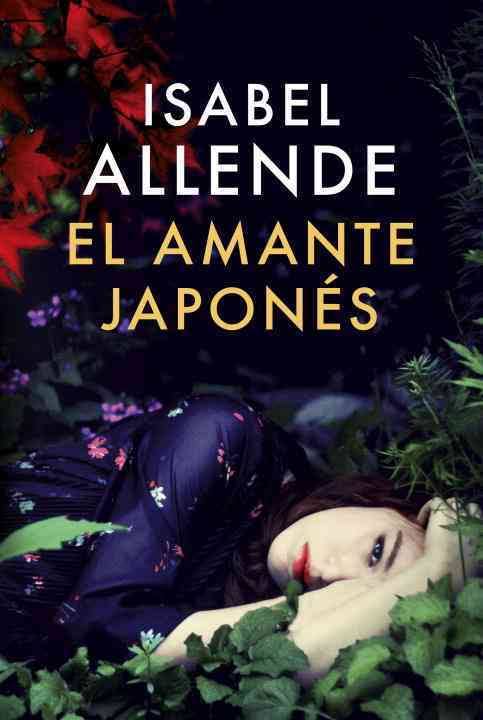
    Anyway, I was excited to read Allende again. The book I picked up was one of her latest ones: “El Amante Japonés” or “The Japanese Lover.”  I really enjoyed the book but it was a writing/learning experience more than anything. Unfortunately, I no longer remember enough to testify for other Allende’s books. But in this book, I found a couple of  writing style observations along the way that made me question the writing rules I’ve been learning lately. My reading perspective has changed significantly over these two years of reading books about writing, listening to webinars about writing, attending to writing online courses and even going to a writing conference in English. I would have never imagined these writing rules I’ve been following at heart could be non-existent in the authors I loved the most. It was an utter surprise.

    images

    But what exactly were these rules I found non existent in “The Japanese Lover”? In fiction, I’ve been taught to write scenes from a single point of view. If you want to use other character’s points of view, then it’s better to do it in another scene or even in another chapter. In “The Japanese Lover”, Isabel Allende mixes multiple points of view from one paragraph to the other. One paragraph you are inside one of the main character’s head and the next one you are in another, in a blink of an eye. At the beginning, I found this quite off-putting. I was mad that one of my favorite authors was writing like that. I began to question, Was it always like that in her previous books? (I still need to check this out of curiosity) Was this something it didn’t bother to me before? Was it because I didn’t know of these rules many years ago? But I learned a lesson quick. The rule about not mixing points of view exists because we don’t want to confuse readers. But we must never misjudge readers’ reading capabilities. After a couple of lines, it was easy to realize which character were being described. And after the first chapters I didn’t find this annoying anymore. Sometimes as writers, we struggle too much in trying to ensure our readers won’t get confused. We write with such detail (succumbing to exaggerated description and slow flow) to ensure readers follow the plot line easily that we sometimes forget our readers are perfectly able to grab implicit details without the need of us describing them word by word.

    download (8)

    After overcoming my own self blocking rule in the fist chapters of “The Japanese lover” and forgetting about any other writing rules, I began to submerge into the story. I found out that Isable Allende is still one of my favorite authors. It didn’t matter she changed POVs every second; I read her book hugely entertained and finished it in a couple of days. Of course, the book is not perfect, there are other issues that bothered me at some level, such as the excess of themes in one single book and the highly dramatic backgrounds in each character – too much to be believable at some point. But the book had alive characters. That is something you cannot always achieve by following the rules.

    As a result and as part of my writing improvement process. I’ve learned that bending the rules is not always bad. I still prefer to keep one POV for each scene, but now I feel myself free to break some rules and allow my writing to become alive.


  • That strange feeling at the end of they year

    As the holidays are about to arrive and people start getting ready for the long holiday vacations, 2016 also strikes in. And of course, new year’s resolutions can be a common topic around this time. Many people here at my work are counting the days for the holidays to start. I’m not. Although, a rest is always well received, I still don’t want 2015 to be over.  I feel like time is going too fast. I still want to make the most of what is left of 2015, even if it’s only a couple of days.

    images (11)

    I know that age and time are just numbers, but in certain ways, they always tick and remind me of my goals in life. This year was intensive, and I did many things during it. I really wanted to have my novel done in 2015. But I’m not there, and I will probably work on it for a couple of months more. In some way, I haven’t met this year’s resolutions and I can’t avoid feeling a little bit sad about this. Moreover, I’m finding it difficult to go back to my book. As you know from previous posts, I stopped writing for more than a month, and now, I find it hard to get back into the writing routine again. If it were me, I would try to finish the novel in these days. But I’m aware it’s not possible.

    Do you usually have this feeling when it’s nearing the end of the year?

    download (16)


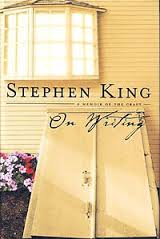
  • Book review: On Writing: A memoir of the craft by Stephen King

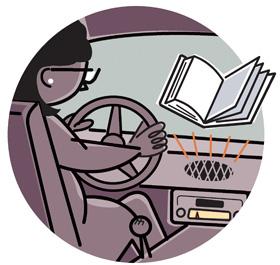
    I must confess I really like listening to Audiobooks, not only because I can listen to something interesting while driving or riding the bus, but because when it’s well narrated, the voice can give it a very nice plus to the story. Now “On Writing” by Stephen King is a must on audio as well as on paper. How many audiobooks can you get narrated by the same author? Well, the same Stephen King himself reads you this book.  In other words, you can hear all his examples, stories, advices in his own voice like he were telling them straight to you. The effect it produces is that you actually believe Stephen King is talking to you, personally, in a one-on-one meeting. You can even consider this gathering as a “close friends” encounter. His voice sticks to your head. And when you finish the book, you can still hear his voice in your head when you’re writing, it’s unbelievably effective!

    on writing

    I’ve read a couple of books about writing, from the grammar perspective to the style, from plot building, to character development, to brainstorming, etc.; all of them good, or at least with plenty of advice for beginner writers. But I must be sincere, I cannot remember much of the advice at the moment. I would have to go through them again or see my notes to remember the exact advice. But from Mr. King, I can remember everything, I can hear him still saying “just be honest and say the f*”, making me laugh and making it easier for me to understand the writing tip (I wonder if I am a better learner when some cursing is around, maybe it helps to grab my attention…)

    0611GADDgets

    Besides the excellent tips and clear examples, this book is also about the story of a great career, perseverance, believing, and never giving up. This book is not only for writers, I believe everybody can extract good life advice from it.

    Anyway, I would definitely recommend this audiobook to everybody out there who wants to have some sort of writing tutor, a coach, or even a writing friend (I have found myself making references such as “like my good friend Stephen says…”). Stephen King tells you everything you should know about writing and makes sure you do not forget it.

  • Book review – The Art of Racing in the Rain

    A couple of months ago, when I started writing, I decided to do a little research on Points of View (POV). You see, when you write, the easiest Point of View to write in, is First Person (any other writers out there that find the opposite, would love to hear it in the comments). First person POV is comfortable; you identify much better with your main character, you are in his/her head, thoughts, feelings, and writing comes easier. HOWEVER, it’s not always the best, it´s limiting. You have to be careful how to handle other scenes where your character is not present (which is difficult). So of course I started to write in Third Person POV, but that’s not the topic of this post.

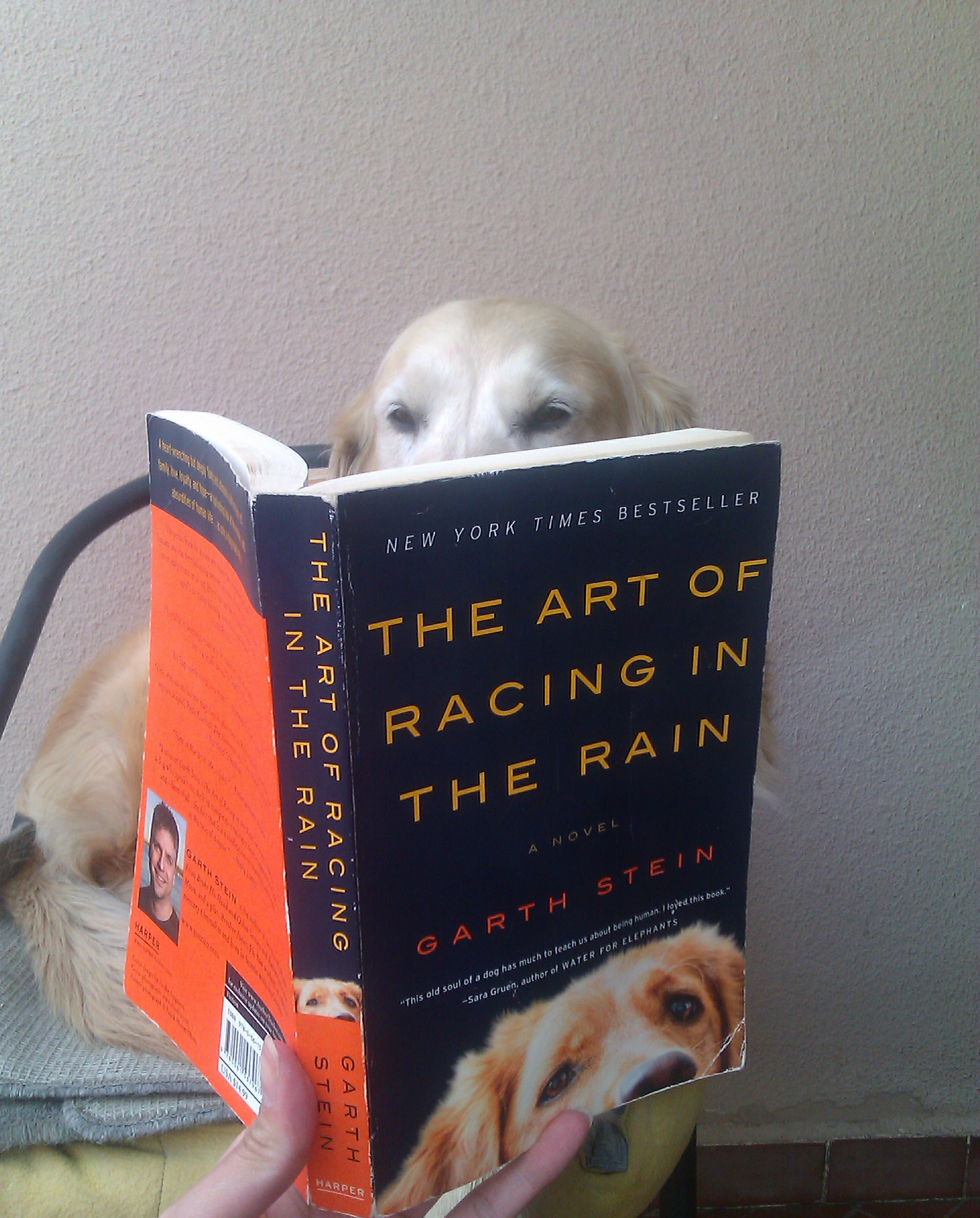
    When I was doing the research, I found a group post discussing this topic and a comment from someone recommending “The Art of Racing in the Rain” by Garth Stein (sorry I can’t remember who commented this, if you’re out there reading this post, please let me know it was you who posted the comment to thank you). The comment suggested that you could also use something original as the POV of a dog; yes you read that well, a dog! which I found hilarious. Being an animal lover, I´ve always been interested in knowing what was going on in my dog’s head whenever she had her puppy eyes directed to me. So I immediately added the suggested book “The Art of Racing in the Rain” by Garth Stein to my Amazon shopping cart, and one month and a half later (yes, it takes that long to reach my country) the book was in my hands.

    dana

    Dana, my dog, getting interested in the story

    Enzo, the character of this book is brilliant. He’s complex, he has many ideas of his own, and has a deep perspective about life in general. And of course, similar to his owner, the dog is all about racing cars. He’s become an expert due to the hours exposed to watching TV races with his owner.  The story is beautiful, full of ups, downs, and real ordinary life situations, but what is most appealing is Enzo’s insights about everything that happens around him. I won’t give up any spoilers in here of course, but the scene with the Zebra for those ones that have read the book is hilarious.  Of course this book is also sentimental, and lots of tears are expected (yes, I´m one of those that suddenly bursts into crying while holding a book; actually I´m very expressive when I read a book, for instance, if the scene is funny, I’m the weird person sitting next to you laughing out loud in the doctor’s waiting room or any other public place.)

    The art of writing books is related to how you engage readers to your characters, how believable and appealing they are. I’ve never imagined a dog would create such a big connection. I loved this book, even if you’re not into racing cars – a topic Enzo is an expert on – you’ll still enjoy the story deeply. I would definitely recommend this book.

  • Guest Post: Juni Desireé – fellow blogger and writer

    When you enter the blogging world, not only you start communicating with the people that follow your blog, but also you start following other blogs you start connecting with. In my blogger journey I had the chance to meet many wonderful people whose blogs I love to read, one of those persons is Juni Desireé, a wonderful blogger and writer who has always struck me with her honest words and her openness to the world. She writes from her heart and she’s very passionate for everything she sets her mind into. I totally recommend following her blogs and checking out this interview for her future projects.
    Could you introduce yourself?
    My name is Juni Desireé (aka JD). My blog is called JD on a Page (http://jdonapage.wordpress.com). It’s a blog where I share my stories and the lessons I learn, in the hope that it offers something good to people. I also have a writing blog called Write to Wrestle (https://awrestlingwriter.wordpress.com).
    I’m currently studying a Master of Writing and Literature and I’m working on a book about what I’ve learnt this year when I moved from Victoria to Queensland.
    I love dogs! Everyone should have a dog; they make life better. And my favourite food is fish and chips with tartare sauce.
    100_5373
    How did you start writing?
    My first memory of writing is when I was in my first year of primary school. We had to write a diary each week. I loved it and have been writing ever since. I started journal writing when I was eleven when my mum bought me a journal.
  • Hang in there November, NaNoWriMo is coming!

    Hang in there November, NaNoWriMo is coming!

    NaNoWriMo???? I must be crazy. For those of you that don´t know about this, you can take a look here.

    But basically is the National Novel Writing Month, and any writer can register in this event. You just need to have the courage to do it and all the energy of the world. In order to win (many people can win), you need to write 50 000 words in all the month, so that would mean 1666,66 words per day, and yes I´m taking into account, weekends, which for me is the challenge.

    nanowrimo.org
    nanowrimo.org

    Image source: nanowrimo.org

    I don´t feel it too bad to write that amount of words per day. I usually write between 1000 and 1500 per day, but I must confess that I don´t write all days of the week. I may write perhaps 4 days and no more. Usually, I will spend 2 days per week with my inner Editor on (which sooner is going to let me insane, I´ll tell you about this in another post); and Sundays, I don´t write, the lazy worm invades me completely. There are so many things going on Sunday, from doing laundry, cooking for the family, etc, to just spending lazy comforting time with my loved ones. Whenever my mom says on Sundays, let´s watch a movie, believe me I never think of rejecting it, it´s golden time to be able to spend time with her; and well writing gets mostly postponed on Sundays.

    But if I don’t write Sundays in NaNoWriMo, I will have to write almost 2000 words per day, and that is a lot. I usually get burned at 1500 and sometimes 1000 is my best of the day.

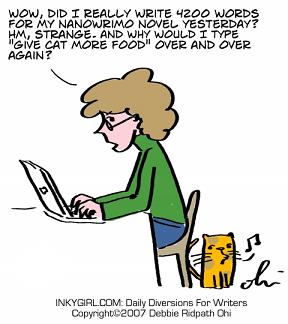
    sarahcradit.wordpress
    sarahcradit.wordpress

    Image source: sarahcradit.wordpress

    So maybe I should consider, waking up early on Sundays, the only day I get to oversleep? Hell yeah! I will do it! because is NaNoWriMo and not LazyWormMo, and I need to take this challenge and put my 100% in doing it!

    It´s going to be a hell of challenge, but I can imagine the satisfaction at the end of the month, when you know you have written 50 000 words… overwhelming!!!

    So getting ready for the craziest months of the year!!! Hang in there November, you´re going to be my month!!!

    www trashionista com

    Image source: www.trashionista.com

  • Once I forgot the typewriter I forgot how to live…

    (This is a continuation of the previous post: How to make your kid an avid reader/writer)

    I still remember when I was little, no computer yet in my house (I got my first computer when I started University) but we used to have a typewriter (well, we still do, it´s there forgotten somewhere in a dark place of my house). I had read in the newspaper about a writing contest, sponsored by the government in my city, and I thought it was a hell of opportunity for me. I was no more than eight years old, and decided to enter this contest for ‘novel writers’. I´m convinced that it was just for adults but I didn´t pay attention to it. I just wrote with my typewriter a wonderful story (that shamefully I never kept a copy) of a fantasy world. Since typewriters didn´t allow you to make mistakes, my presentation was extremely awful. Being a kid, I wasn´t conscious yet about having to redo a whole page whenever I had a mistake on the typewriter, I would just use an eraser and type over the mistake.

    Image source: site.xavier.edu
    Image source: site.xavier.edu

    When I was done, I begged my Aunt Nancy, who used to live near the post office, to put the papers in an envelope and submit it to the P.O. box of the contest. Of course, I never won or anything and the writing must had been really embarrassing, but I was just eight years old! Nevertheless, having such a wonderful imagination (that I still have fortunately), the story in itself must had been a lot of fun.

    At that age, I felt there was no limit for me and no barriers to achieve whatever I wanted. What a shame, I was never encouraged to follow these dreams. I wrote short stories for my mom and some members of my family before I was 10. I have a couple of them stored in a box, and of course the writing is terrible but the stories, the creativity, the characters were great. But what I remember the most is that I always felt fulfilled whenever I wrote those stories.That sense of fulfilment shouldn´t be forgotten, we should live our lives with the intention of feeling always like that.

    However, I did forget it… and it was shameful because it led me to years and years of an unsatisfied and unhappy life….

    P.S. will continue…