I had a couple of beta readers for my first book “The Last Families” and I regret that I didn’t get more. Not necessarily because the book needed a lot of feedback, but because they’re extremely valuable. And when you’re about to launch a book- especially if it’s self-published- you need a team of supporters behind you. Beta readers will be familiar with your book and will be often willing to help you by leaving reviews and spreading your book’s launch on their social media.
But like me, I was afraid to have people reading my book- afraid of the feedback, afraid of having someone tell me “your work sucks” or something like that. This time though, I’m open to as much beta readers as possible, as I explain in this post for my newest manuscript. I’ve already received some feedback on the “When the World Disappears”, and it’s been extremely valuable. Thanks to it, I managed to correct and make significant improvements to the manuscript, the characters, and the story.
During this process, I participated of a beta reading swap as well: you read mine and I read yours. In one particular case with a specific writer, I noticed how writers can sometimes be apprehensive to feedback. In this blog post, I’ll share with you what I observed and I’ll discuss what we must not do as writers when receiving feedback.
Beta reading feedback must be listened and considered. Do you have to change everything you’re told by the beta reader? No. But you should listen their feedback carefully and analyze it.
In this particular situation, I had a beta reading swap that turned out one of the most uncomfortable situations ever. We had to finish/cancel the deal even when she hadn’t even started reading my manuscript (I had read almost a third of hers.)
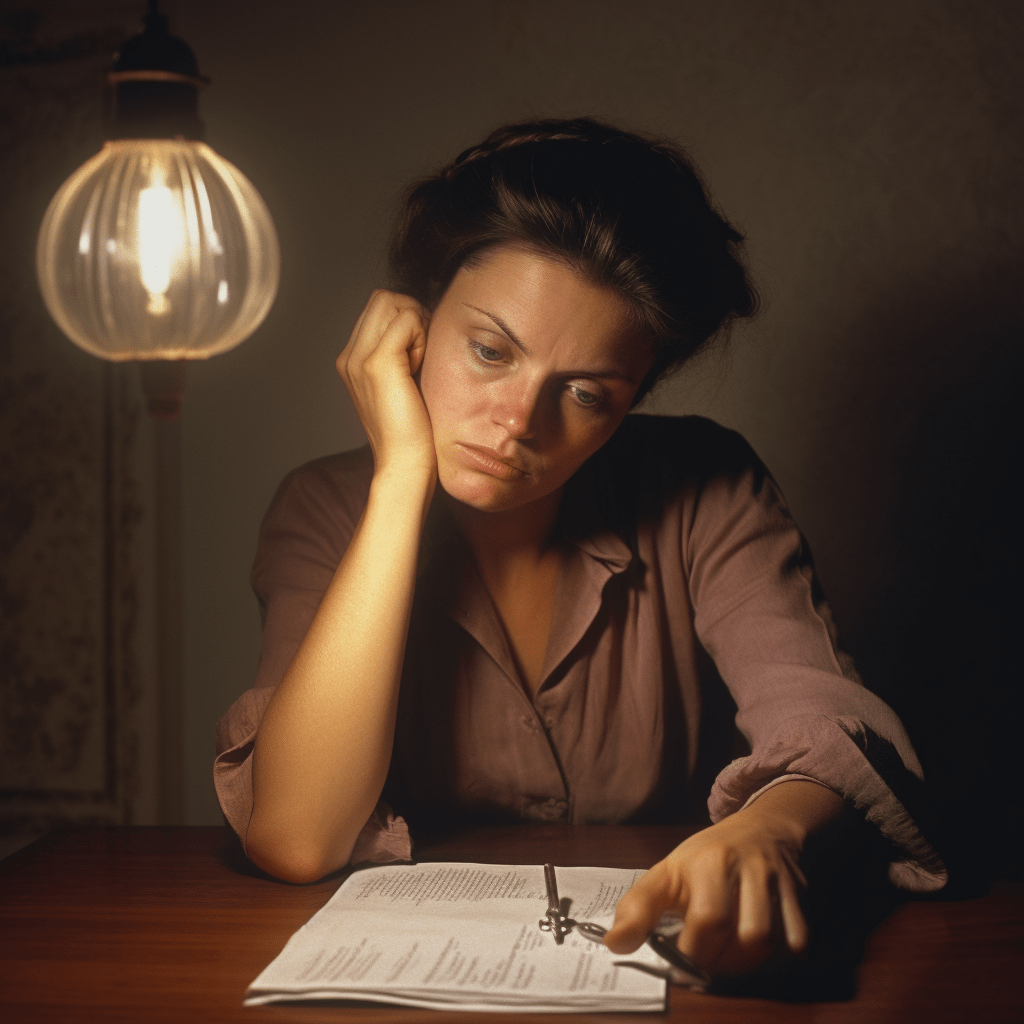
AI generated image
The feedback was given through a shared Google Doc, which meant that the writer and I could see the comments in real-time. From the moment I left my first comment in one paragraph, I got a counter-comment commenting on my feedback. It wasn’t that bad at the start, but then it got to a point where I could see the writer was unwilling to consider any of my suggestions. Though I don’t remember the specifics since that happened a few months ago, I’ve come up with some examples that are representative of that exchange:
Comment from Carla:
This is not clear. I suggest adding more details of why this character is reacting this way.
Reply from the writer:
Why is not clear? What details?
Comment from Carla:
It’s not clear why character is reacting this way. She’s a grown up person and her intents are not clear.
Reply from writer:
I don’t understand. Be more specific.
Another example
Comment from Carla:
The description is too vague. I would suggest adding more information about this location so readers can immerse themselves.
Reply from writer:
What is vague? What do you mean adding information so readers can inmerse themselves?
Last example
Comment from Carla:
Why does this character say that? It doesn’t sound like her.
Reply from writer:
It’s what she would say in this situation. Why wouldn’t it sound like her?
I have to say that I learned giving feedback from others who gave me feedback before. My first beta readers would usually approach their feedback in two ways:
The more detailed ones would highlight paragraphs and give me comments and observations.
Other general beta readers would send me a document outlining their general thoughts and their observations of what was not working.
As a beta reader myself, I decided to use the first approach, giving comments in a shared document. Until this specific writer, I had no issues. When I received feedback with inline comments on a shared document, I would assess them carefully. I didn’t agree with some of them, but if a comment pointed out that the reason of character X wasnt’t clear or that I needed to provide more context for situation B, I would go back to my text, analyze the issue, and try to improve where it was possible. If a comment told me that a piece of dialogue felt off, I would take into consideration and make adjustments where I could. There were a few times where I felt the dialogue couldn’t be changed, but I chose not to tell that to the person providing the feedback.
I’m not saying that you shouldn’t reply back to the beta reader and refute their observations, but if someone is giving you advice, LISTEN to it. The beta reader has left that comment to help you improve and not to debate it until someone wins.
This is how I see beta reading- what’s your take on it?
I’m proud to announce that my manuscript for my latest fiction novel is ready. Now, I’m beginning the publishing process. First, I’m pitching it to literary agents, and if I get no results in around four months, I will reconsider self-publishing.
Since, I’m not near the publishing date, I’m very open to beta readers in general. From my first publishing experience, I’ve learned that the more beta readers you get the better. So for anyone interested, the title is “When the World Disappears”. It’s a dystopian novel and here’s the blurb:
A virus has struck the earth again with a 90% mortality rate. As the population of the world succumbs to the virus and to mayhem, a vaccine that seems to be the only beacon of hope emerges thanks to the Red Velvet organization in the small Bolivian town of Costa Toro. However, the cure brings unforeseen side effects that will change the lives of the survivors of this small town.
Larissa has managed to hide from the virus and survive for almost 5 years with her younger brother Hugo. One day, she stumbles upon a mysterious message from someone claiming to have the solution to fix all things. In a world stripped of most of the internet as we know it and with few options to survive, Larissa can’t accept the new reality and wants a better future for Hugo. In her quest, she will meet other people her age and Adrian, who becomes more than just an ally.
But a misstep exposes her to the twisted new-order authorities of Costa Toro, in particular to Deborah and Governor Fuentes. Both with sinister ties to the Red Velvet organization, which seems to want to keep the status quo. The new order has also brought Adrian to the mercy of an evil punishment. Amidst saving her friend and escaping Deborah, will Larissa find the means to change her world? Who is this Red Velvet organization, and what is their relationship with the government of Costa Toro?
How does it sound? Would you read it?
If you’re interested in beta reading, let me know. I can do swap beta reading as well: you read my manuscript, I read yours.
I’ll be publishing some extracts and chapters as well in the next months.