Tag: characters

  • I’m back

    I can’t believe it’s been almost two years since my last post. My day job was intensive, but other than that, I just felt I didn’t have anything interesting to say from a writer’s perspective. My first novel was published, and I entered a sort of writing hiatus. Then, last year, I started to write again. It felt good, but I still didn’t have anything compelling to share on my writing blog. Now, my circumstances have changed.

    AI image generated by Midjourney

    I’m in the process of transitioning from a very demanding job to finally having more time for my personal projects, one of which is writing. Last year, I started another fiction novel—a dystopian story. Different from The Last Families, I didn’t want this new novel to have multiple points of view and to be so complex. I wanted a simpler story, but a good one. I’ve already picked a name for this novel, although I’m very far from publishing it. I’m currently in the first round of beta readers and receiving so much good feedback. I’m in no hurry to publish this time. This novel is called “When the World Disappears,” and it is a dystopian story set in Bolivia, in a world following the aftermath of a pandemic (yes, I couldn’t help but get inspiration from Covid 😄 ). It has quite interesting twists. I will soon give more details.

    This writing cycle has been different. Although I’ve only published one book, I’ve learned a great deal from the process of writing and self-publishing The Last Families. These are some of the lessons:

    • Fantasy, and especially high fantasy, can be hard to achieve. If this is your genre, I recommend simplifying the characters and the plot because the world-building of high fantasy is very complex already. While some, like Tolkien, have achieved this art, he devoted most of his life to endless manuscripts that his son then had a hard time compiling. As someone without any descendants, I don’t have the luxury of relying on future generations for compilations. Next time I choose to write fantasy, I’ll aim for a simpler plot.
    AI image generated by Midjourney
    • Multiple points of view are hard—very hard. The only way to achieve them is to analyze each character deeply and be crazy enough (in a good manner) to jump from one character’s head to the other. One of the best pieces of feedback that I got from The Last Families was that I’ve managed to achieve good character development in spite of the multiple points of view, but it was so difficult that I’m not looking to revisit this approach in at least a decade.
    • Get beta readers very soon, and as many as possible. As a first-time writer, I felt very protective of my first novel and very insecure about my writing. Therefore, I delayed sharing it until I had meticulously reviewed it at least a dozen times, thus the long time it took to publish it. When I got a few beta readers—only two to be precise—I was desperate to have my novel out in the world, so I changed very little based on their feedback and continued with the publication process. Now, with my latest manuscript, I’m already in my fifth beta reader at an earlier stage. I’m now very open to change and feedback. With more beta readers, I’m also assembling a team of people who will be able to support me during the book launch.
    • Your plot doesn’t need an abundance of twists or complexity. This new novel is a shorter, nicer story with some surprising twists, but not so complex that I can’t describe it. When I pitched The Last Families to publishing agents, it was so hard to articulate a pitch letter. I couldn’t summarize the multiple points of view and the plot in 2-3 paragraphs. It was simply too hard. When the concept is so confusing, it’s hard to sell the idea. I didn’t like it when people asked me what my novel was about because it was too difficult to explain. Now with “When the World Disappears,”  I can easily describe it, and I feel it’s easier to sell it not only to agents but also to readers. It’s far simpler to promote a work when the purpose and vision are clear.
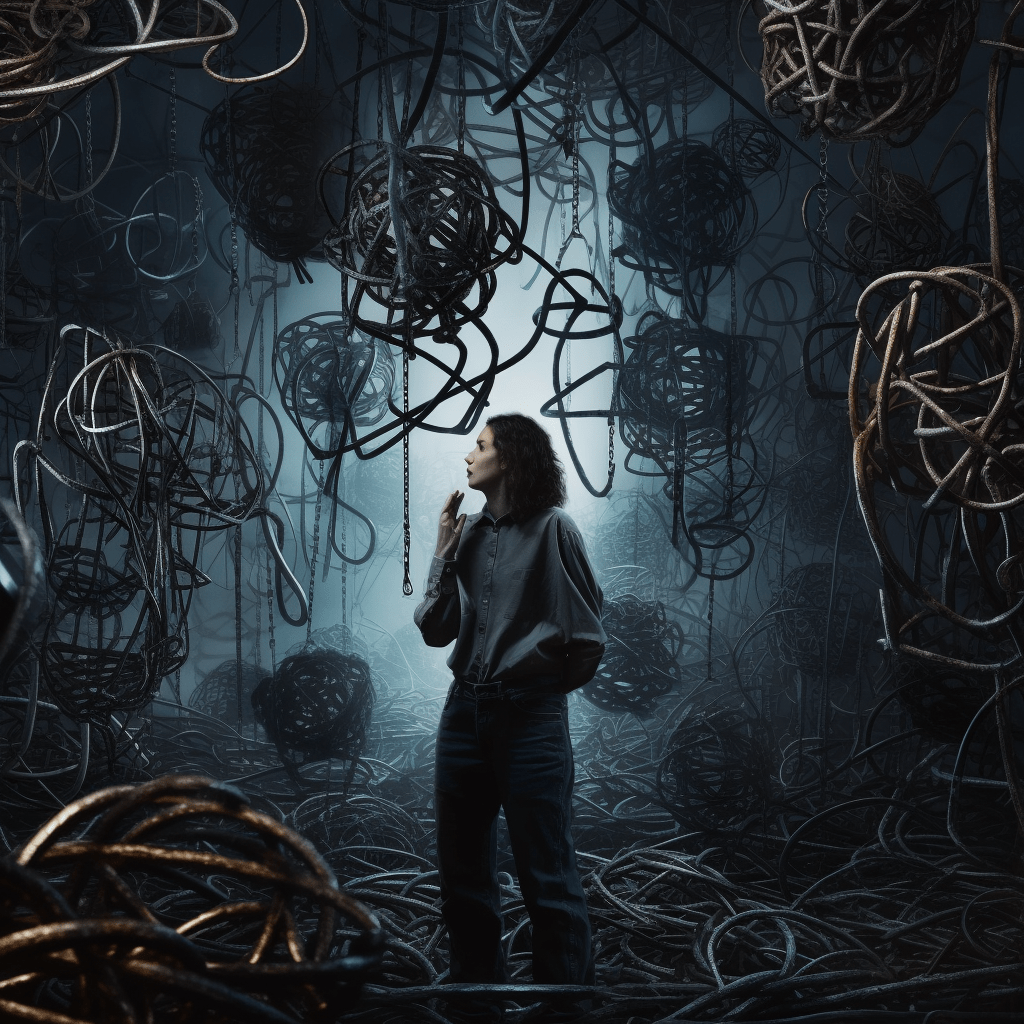
    AI image generated by Midjourney

    These are just a handful of the lessons I learned with The Last Families. I don’t regret the process in this book, though. I still love my first fantasy book, and I’m planning to get a second edition and a Spanish translation later this year. But I’m determined to approach things differently this time, and I’m overly excited.

    What do you think about these lessons?

  • No rules for the writing process

    I struggled a lot with my first project. I read many books on the writing process and even attended some courses on it. I tried to be as systematic as possible and write by the rules.  I learned valuable lessons and this helped me get through the process and finish my manuscript. However, I didn’t like the end result.

    For this new second project, I started a couple of months ago, I tried to let it go and just be a pantser instead of a plotter. However as nice as it sounds to be a pantser, I also knew from my first experience, that there needed to be some infrastructure in the plot. Endless inspiration doesn’t take you to a perfect plot. And there are characters, my weakest point. The very reason why I let my first project remain dormant for the time being is that I ended not liking my characters at all. They needed and still need more development if I ever go back to that first project.

    images (1)

    In this second project, I had started writing as a pantser, letting the words and scenes come to my mind as I wrote, but then I reached a point (a couple of days ago) where I didn’t know where I was heading and if characters were being developed as I wanted. So I did something I avoided since I started writing. I stopped after more or less 35000 words and went back to the first page to review it slowly. I know the manuscript is not even in the middle and I have no clue yet where the story is heading yet, but I felt the need to go over what I have written so far to make sure the 35000 words made sense and that the characters didn’t suck. If you’ve gone through writing advice, classes, etc, you will hear that they don’t recommend this approach that much, that editing while still writing might not be the best. But I found out that it actually helps me. I’m in time to detect current plot failures and find opportunities for character development. Who knows, with this initial review, the plot might get a twist and a new rewrite. At this point, I wouldn’t mind the re-writing. I’m not that far in the story. Rewriting 35000 words doesn’t feel as bad as rewriting more than 100 000.

    download (3)

    This approach seems to work so far. Maybe it’s already suggested somewhere or maybe some other writers do something similar. I feel that it might the “thing” that works for me. I believe the purpose of getting experience with the writing process is to find your own path and your own method. My objective is that my first manuscript feels good. It doesn’t matter if I need to do a heavy editing after it. I just want to be able to feel that I’m telling a good story.


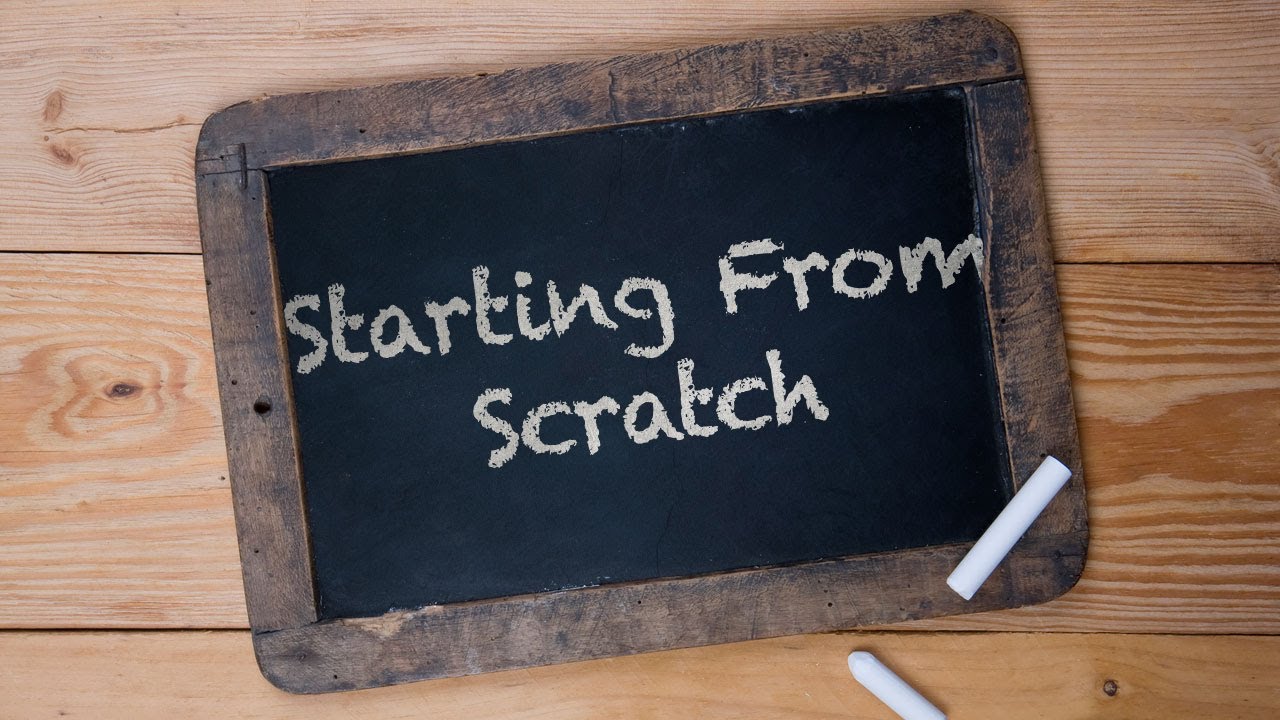
  • Is it time to start the manuscript from scratch?

    It has been several months since I haven’t posted a blog post. And today was the day that I decided I would not go to bed until I finally did it. Work and travel are the excuses in general – and I won’t go to discuss them more since I want to jump into blogging pools as soon as possible without lamenting why I didn’t blog these months.

    My manuscript continues to be a manuscript. However, it seems it was for the best. After going through multiple reviews and editing rounds, I decided it needs a complete makeover. The story is nice, the theme topic is interesting, but it is not the book that I think it could be. I’ve struggled so much to keep the same characters and to bring to life all situations in the book, but I reached a point where I need to acknowledge that my characters might not strong enough, neither interesting enough and some situations feel awkward and forced into the plot. Maybe leaving the manuscript to rest for a long time was a good idea after all.

    download (2)

    At this point, I’m not completely sure how to target this. Should I work on revamping the book, adjusting situations, and changing the characters over the existing framework, or just start from scratch?

    maxresdefault (1)

    Starting from scratch sounds good, but if I were to start a new complete book, then why insist on this “theme topic”? I have a couple of other better theme topics to explore. However, I cannot simply give up almost two years invested on this manuscript. Somehow, deep inside, I still want to rescue it and rescue all the time invested in it.

    I guess I relate to this:

    Have you experienced something similar? Any Advice?

    start

  • Writing for a reason

    Writing is about unveiling yourself. It is about taking out all the layers that surround you. A true writer digs into his heart and exposes everything. He leaves himself vulnerable.

    The richness of words only come from honesty. Characters come from the most enchanted places and they are nurtured by the writer´s believes, hopes, and fears. When the writer writes, he submerges himself into a trance where ideas flow naturally, a small voice wakes in his mind telling him secrets of the story.

    I write because it heals my soul, because it makes me honest, because it lets me be myself. I write because I free myself and reach a mind state where everything is possible. I dive into a land of power, because writers do have power, a mighty power that can touch readers’ hearts, speak to them, and convince them of whispers, voices, and feelings. There is nothing more fulfilling than this: to let yourself be enveloped into a world where you let your heart speak and touch others on the way.